Canada’s Remote-Area Border Permit Program Ends Nov. 30
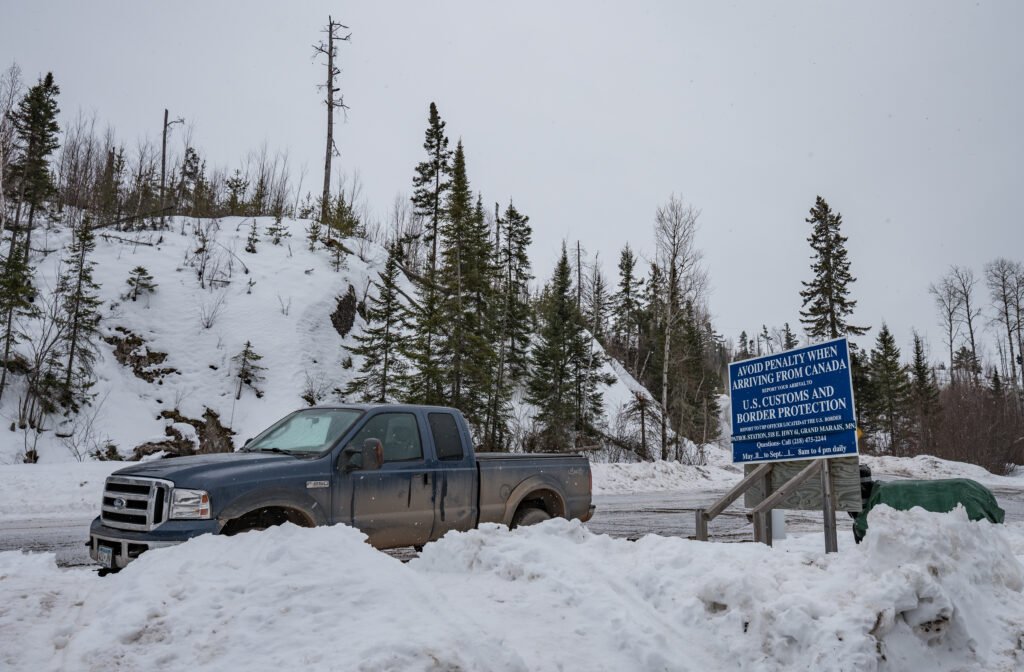
Canada’s Remote Area Border Crossing (RABC) program ends at 11:59 p.m. on Nov. 30. Starting Dec. 1, travelers entering Canada through the affected remote areas of northern Ontario or from the Northwest Angle into southern Manitoba must report at a staffed port of entry or a designated telephone reporting site, the Canada Border Services Agency (CBSA) says.
What changes for remote-area travelers
The deadline applies to travelers who have relied on the RABC program for remote crossings, not routine arrivals at staffed border ports. The CBSA says 17 new telephone reporting sites are already operating to support the transition. Existing RABC permits remain valid only through 11:59 p.m. Nov. 30.
What to check before departure
- Find the reporting point and its hours. Use the CBSA directory to confirm the designated site for the route before setting out.
- Have trip details ready. Officers may ask about the journey and the vessel or vehicle.
- Report everyone and all goods. Travelers must declare everyone in the party and all items brought into Canada, including purchases and goods that may be exempt from duties or taxes.
- Follow the officer’s directions. A telephone report does not guarantee immediate clearance; an officer may require an in-person examination.
The CBSA advises travelers to check the current directory and operating hours before departure, since designated locations and service availability matter for remote routes.
Sources: Canada Border Services Agency, Nov. 25, 2026 release on the RABC program transition; CBSA guide to the Remote Area Border Crossing program.