
COP31 Electrification Plan Faces Calls for Mining Safeguards
At COP31, civil-society groups are urging negotiators to pair the summit’s global electrification push with stronger safeguards for the minerals needed to build power lines, batteries and wind turbines. Their concern is that a faster energy transition could deepen damage to ecosystems and communities if mineral supply chains lack enforceable protections.
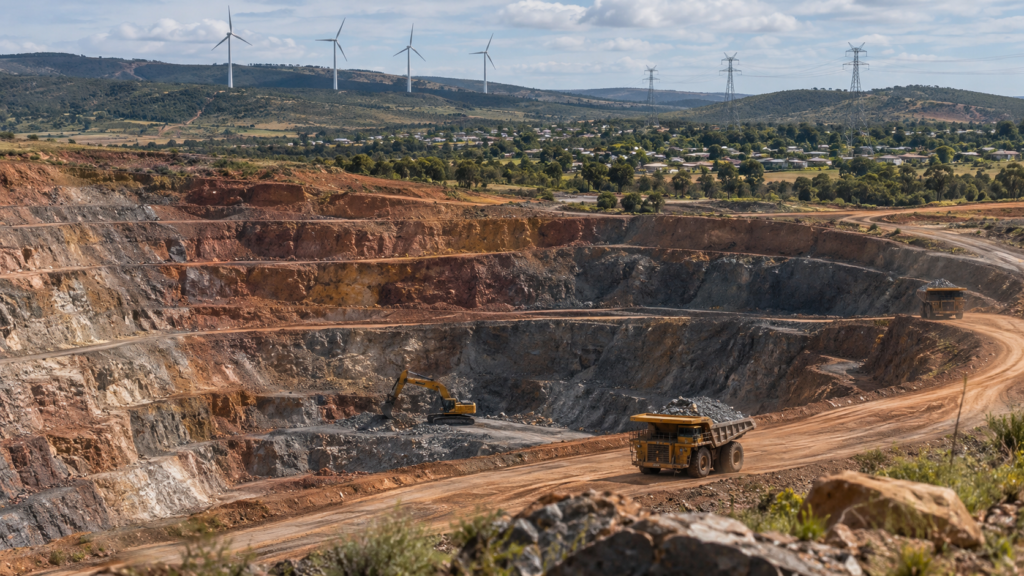
What mining safeguards are groups asking for?
An open letter to the COP31 presidencies calls for binding human-rights and environmental due diligence across mineral supply chains, protection of Indigenous peoples and sensitive ecosystems, and stronger use of recycling and other ways to reduce demand for newly mined materials. The Associated Press reported that more than 120 civil-society organizations backed the letter.
The groups’ position is an advocacy demand, not an agreed COP31 decision. AP reported that rights experts say the conference’s formal negotiations do not explicitly address critical minerals and mining. That leaves negotiators with a practical question: whether the electrification ambition will be matched by language on how its raw materials are sourced.
Why the safeguards debate is tied to COP31’s electricity target
Türkiye’s COP31 presidency is promoting a “35-by-35” pledge to raise electricity’s share of global final energy use to 35% by 2035, from a little over one-fifth today. Electrifying transport, buildings and industry can reduce direct fossil-fuel use, but expanding grids, batteries and clean-energy equipment also increases demand for materials such as copper, lithium, nickel and cobalt.
The target itself does not automatically guarantee that the electricity added will be renewable, or that minerals will be mined under strong labor and environmental rules. That is why the dispute is about the conditions attached to implementation, as well as the ambition of the target. The Globuzz has also covered Brazil’s separate proposal for a roadmap away from fossil fuels, another effort shaping the summit’s energy discussions.
Recycling can reduce new mining, but it cannot replace it
The International Energy Agency says successful recycling scale-up could reduce new mine-development needs for copper and cobalt by 40%, and for lithium and nickel by 25%, by 2050 in a scenario based on national climate pledges. The IEA also cautions that new mines remain necessary as demand grows and existing operations decline, so recycling is a way to ease pressure rather than eliminate extraction.
For COP31, the policy choices now include whether final climate language recognizes supply-chain protections, recycling and the rights of affected communities alongside electrification. The summit runs through November 20 in Antalya, Türkiye, and its presidency’s proposal remains subject to negotiations.
Read more World coverage from The Globuzz.
Sources: Associated Press on COP31 and mining safeguards; civil-society open letter to the COP31 presidencies; International Energy Agency on critical-mineral recycling; UNFCCC overview of the COP31 presidency’s targets.
