
Study Finds Climate Change Added Heat to Indonesia’s 2026 Fire Season
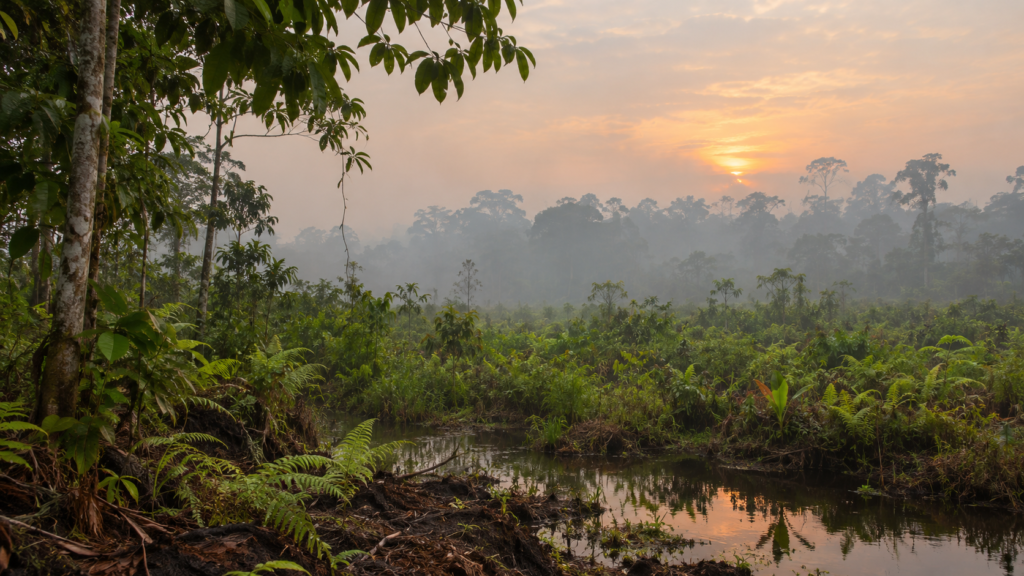
A new attribution study says human-caused climate change added about 1.6°C of heat to Indonesia’s August-to-October 2026 fire season, while a strong El Niño was the main driver of unusually low rainfall. The World Weather Attribution analysis links those hot, dry conditions to more severe fire weather but does not claim that climate change alone caused individual fires.
The report, released Nov. 12, examined conditions across Java, Sumatra and Borneo. Reuters reported Friday that fires from August through October spread across large parts of Indonesia and sent smoke into neighboring countries. The study helps separate the roles of warming, El Niño and landscape changes in a season that brought both extreme heat and drought.
What the study attributes to climate change and El Niño
The researchers found that human-driven warming was the largest influence on seasonal temperatures, adding around 1.6°C. Their analysis estimated that El Niño reduced seasonal rainfall by about 50%, while warming also contributed a smaller rainfall reduction in observations. The authors note that climate models did not reproduce that observed climate-change signal for rainfall.
For hot, dry fire-weather conditions measured using a seven-day heat-and-dryness indicator, the report estimated roughly three times greater likelihood from human-induced warming and roughly five times greater likelihood from El Niño. Those are separate contributions in the study’s analysis, not figures that should be multiplied into a single risk estimate.
Drought met fire-prone landscapes
Weather was not the only factor. The researchers also describe deforestation, logging, plantation expansion and drained peatlands as conditions that can make landscapes more vulnerable to ignition and fire spread. Peat soil can smolder and release smoke for long periods once it dries and burns.
That distinction matters: the attribution study analyzes how warming and El Niño changed the weather conditions surrounding the fires. It does not assign a climate cause to each ignition or explain every hectare burned. Reuters separately reported estimates from monitoring group Nusantara Atlas that nearly 2.88 million hectares were affected by fire from January through October; that estimate is from the monitoring project, not the attribution study.
Why the findings matter beyond Indonesia
Smoke from Indonesian fires can cross borders, while the same combination of dry peat, heat and land-use pressure can make future fire seasons harder to manage. The study says the fire-weather conditions are becoming more predictable, and points to peatland restoration, forest protection and stronger air-quality monitoring as ways to reduce risk. These are the report’s policy implications, not a guarantee that any single measure will prevent fires.
Follow related international reporting in The Globuzz World section.
Sources: World Weather Attribution analysis; Reuters report by David Stanway, republished by StreetInsider; The Guardian’s independent reporting.
