
MSF Warns Congo’s Ebola Outbreak May Be Missing Cases as Hospital Spread Persists
Doctors Without Borders (Médecins Sans Frontières, or MSF) says Congo’s six-month Ebola outbreak is likely missing infections and still spreading in some areas, warning that transmission inside hospitals and shortages in basic infection-control supplies are complicating the response. Its assessment, reported by Reuters on Nov. 12, adds a new warning to the outbreak’s already severe case toll.
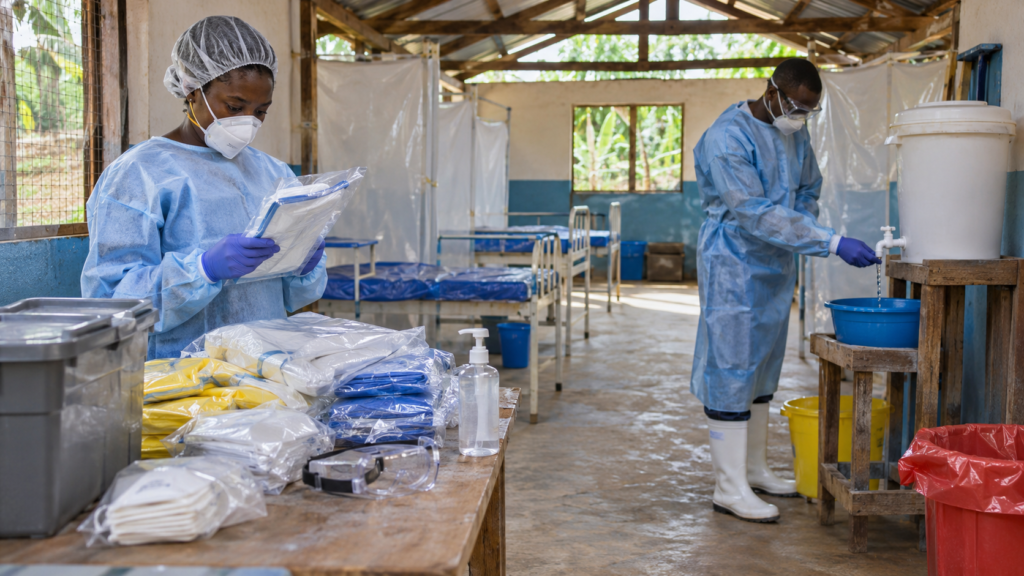
MSF points to missed infections and hospital spread
MSF said many infections may be going undetected, while some facilities have struggled with gaps in supplies such as water and chlorine. The group cited one health zone where it believes a large share of patients contracted Ebola in healthcare settings. Those are MSF’s field observations and estimates; they are not a new official count of confirmed cases.
The concern is significant because infections acquired in care settings can expose patients and staff and make routine treatment harder to deliver safely. The current outbreak is caused by the Bundibugyo strain, for which there is no approved vaccine or treatment. WHO says a vaccine trial began last month, while immediate control still depends on finding cases, isolating and treating patients, tracing contacts, and infection prevention.
WHO reports major gaps in contact tracing
In remarks on Nov. 11, the World Health Organization’s director-general said more than 1,000 contacts had been lost to follow-up and three confirmed cases were unaccounted for. WHO also said almost 11,000 confirmed cases and more than 5,300 deaths had been reported across eight provinces, while noting that transmission was slowing in some places even as new hotspots emerged elsewhere.
That distinction matters: the outbreak is not moving at the same pace everywhere, but local improvement does not establish that transmission has been interrupted across the country. The Associated Press has also reported that insecurity and attacks on health facilities are disrupting response work in affected areas.
Why the response remains difficult
WHO has identified insecurity, difficult terrain, displacement and delayed payments to frontline workers as obstacles to response operations. MSF separately described shortages and staffing problems in some healthcare settings. Together, the accounts point to practical challenges in detecting illness early and maintaining safe care, while the scale and location of transmission continue to change.
The regional picture is mixed. Kenya discharged its last known Ebola patient on Nov. 11 and began a 42-day countdown toward an Ebola-free declaration, according to the health ministry and WHO. That progress sits alongside continued transmission in Congo and does not remove the need for monitoring across borders. Globuzz previously reported on Kenya’s final patient discharge and countdown and on Congo’s reported outbreak totals.
Sources: Reuters reporting on MSF’s assessment; WHO Director-General’s Nov. 11 briefing; Associated Press reporting on the outbreak.
